

Vision, Mission, Values & Priorities
The way we serve children is shaped by who we are.
At ICHA, our vision, mission, values, and organizational cultural priorities guide every decision we make— from caring for a newborn in the NICU to building Africa’s neonatal care capacity through education, training, and mentorship.

Vision
A continent where all children can thrive through quality healthcare.

Mission
To strengthen healthcare for newborns, infants, and children across Africa through compassionate, evidence-based clinical care, training, education, research, and advocacy.

Values
We strive to act justly, love mercy, and walk humbly with
God as we adopt the following core values:
- Excellence: Children deserve healthcare that adopts the highest standards of care.
- Compassion: Offering medical care with kindness and respect, seeking to both understand and alleviate suffering.
- Education: Teaching and mentoring doctors and nurses, investing in families and communities in the care of their children.
- Integrity: Practicing honesty with others and ourselves, doing what we say and saying what we do.
- Collaboration: We work best when we understand everyone has equal value, listening and learning from each other in our communities.
- Equity: Every child deserves quality care regardless of gender, income, tribe, or religion.

Organizational Culture
The Priorities That Shape Our Culture
ICHA’s long-term success will not be determined solely by the quality of its programs, but by the character, culture, leadership, and systems that support them. Every interaction with a patient, colleague, donor, partner, or institution should reflect the values that define who we are.
Excellence Through Mentorship
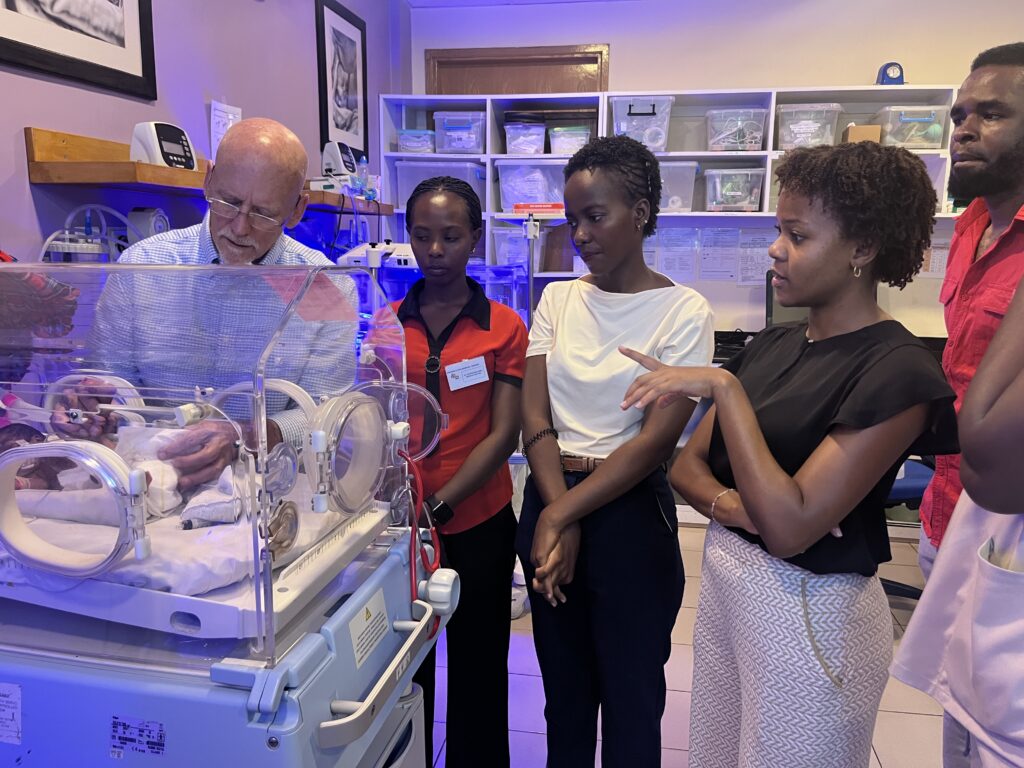
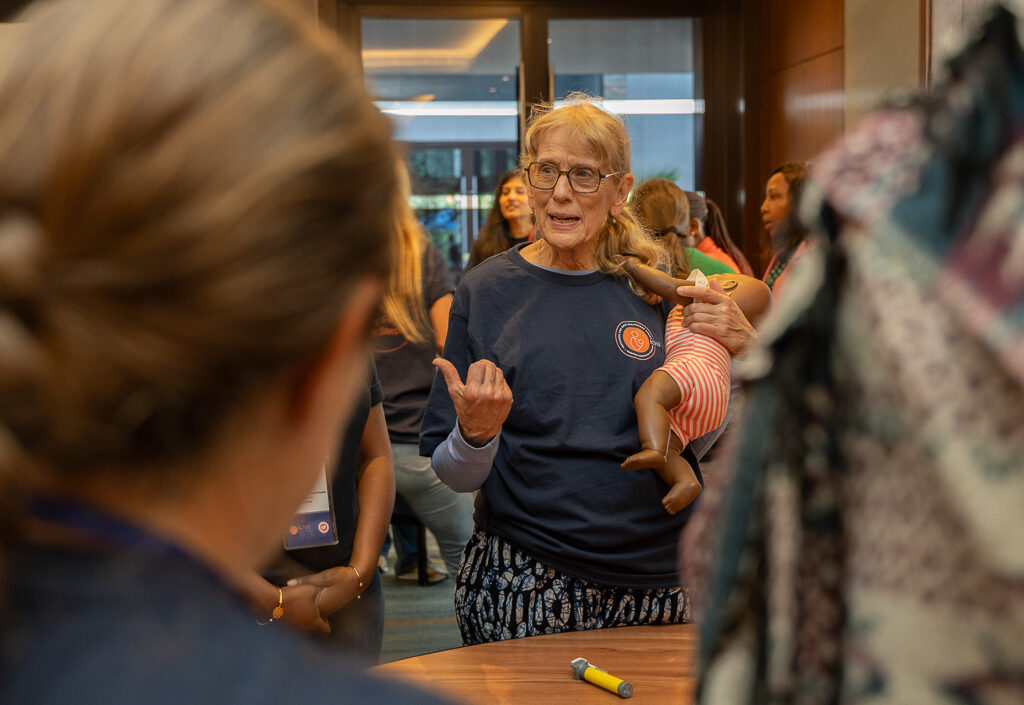
One of ICHA’s defining characteristics is a culture of mentorship. We believe people grow best through long-term relationships in which knowledge, skills, character, and responsibility are intentionally invested in others. Teaching therefore extends far beyond formal classrooms or conferences. It takes place during ward rounds, bedside discussions, research projects, difficult clinical decisions, and everyday interactions between colleagues.
This commitment to mentorship applies equally to doctors, nurses, allied health professionals, researchers, administrators, students, and support staff. As individuals grow, they become mentors themselves, creating a culture of continuous learning and multiplication.
Excellence in Everything We Do
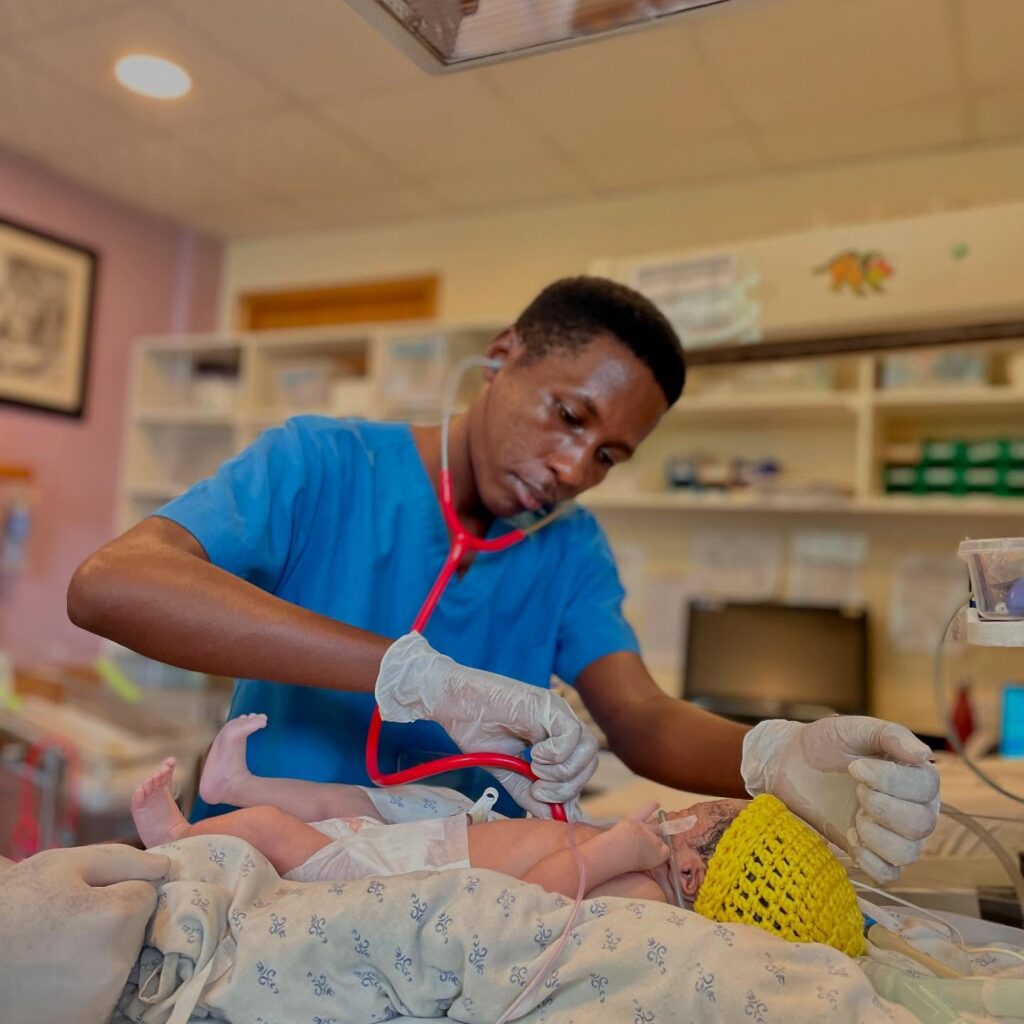
Excellence is not reserved for specialized clinical procedures. It should characterize every aspect of the organization. Whether caring for a critically ill newborn, conducting research, maintaining equipment, managing finances, organizing a conference, or welcoming a family into the clinic, we strive for excellence by pursuing the highest standards possible within our context. Good enough is not good enough when children’s lives are at stake.
Integrity and Stewardship
ICHA exists because countless individuals, churches, organizations, and institutions place their trust in us.
We therefore view integrity as one of our greatest responsibilities. Financial transparency, honest communication, ethical leadership, accountability, and faithful stewardship of every resource are essential expressions of our work.
This commitment extends beyond financial management. It includes responsible research, accurate reporting, ethical partnerships, protection of donated equipment, and ensuring that resources entrusted to ICHA are used for the purposes for which they were given.
By Africa, For Africa
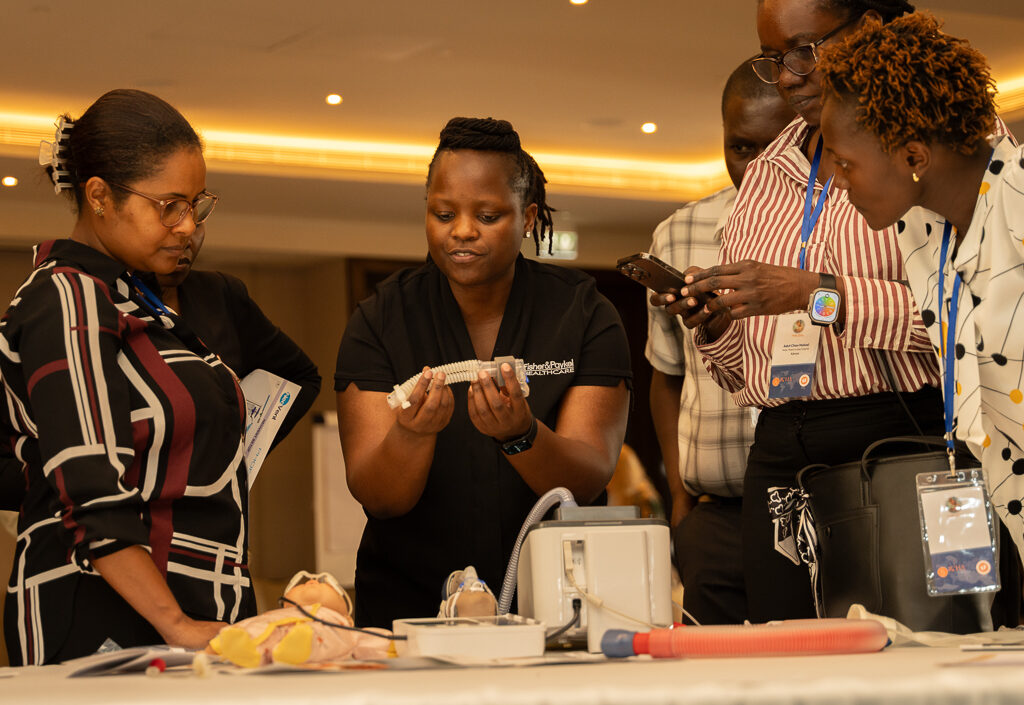
Although ICHA benefits greatly from international partnerships, its long-term vision is to strengthen African healthcare through African leadership.
Our goal is to develop an organization led increasingly by African clinicians, educators, researchers, and administrators who understand the realities of the communities they serve. International colleagues remain valued partners, mentors, researchers, and collaborators, but the future of ICHA should increasingly be shaped and led by African healthcare professionals.
Partnership Rather Than Isolation
No organization transforms healthcare alone.
ICHA seeks long-term partnerships with hospitals, universities, churches, ministries of health, professional associations, research institutions, and development organizations that share our commitment to improving maternal, neonatal, and child health.
We believe collaboration creates greater impact than competition. Whenever possible, ICHA will strengthen existing institutions, share knowledge openly, develop joint programmes, and contribute to building stronger healthcare systems across Africa.
Governance and Accountability
Strong governance creates the stability required for long-term work.
ICHA’s governance structure should provide clear accountability, strategic oversight, financial transparency, and continuity of vision across generations of leadership. Decision-making should combine sound governance with operational flexibility, ensuring that the organization remains both faithful to its mission and responsive to changing circumstances.
As the organization grows, governance structures will continue to evolve to support increasing organizational complexity while preserving the culture and values upon which ICHA was founded.

Measuring What Matters
Excellence requires continual evaluation.
ICHA is committed to measuring not only activity, but impact. Clinical outcomes, educational effectiveness, research quality, financial stewardship, organizational health, and partnership effectiveness should all be regularly evaluated and used to guide continual improvement.
We believe accountability and learning go hand in hand. Measuring our work is not simply about reporting results—it is about becoming better stewards of the opportunities God has entrusted to us.
Ultimately, these organizational foundations are not separate from our strategy; they are the means by which the strategy becomes reality. They define the culture we seek to build, the people we hope to develop, and the organization we aspire to become as we pursue our vision of seeing children across Africa thrive through quality healthcare.