
Tiny Feet Big Steps Skills Save Lives.
TFBS training helps African clinicians bring lifesaving neonatal skills home.
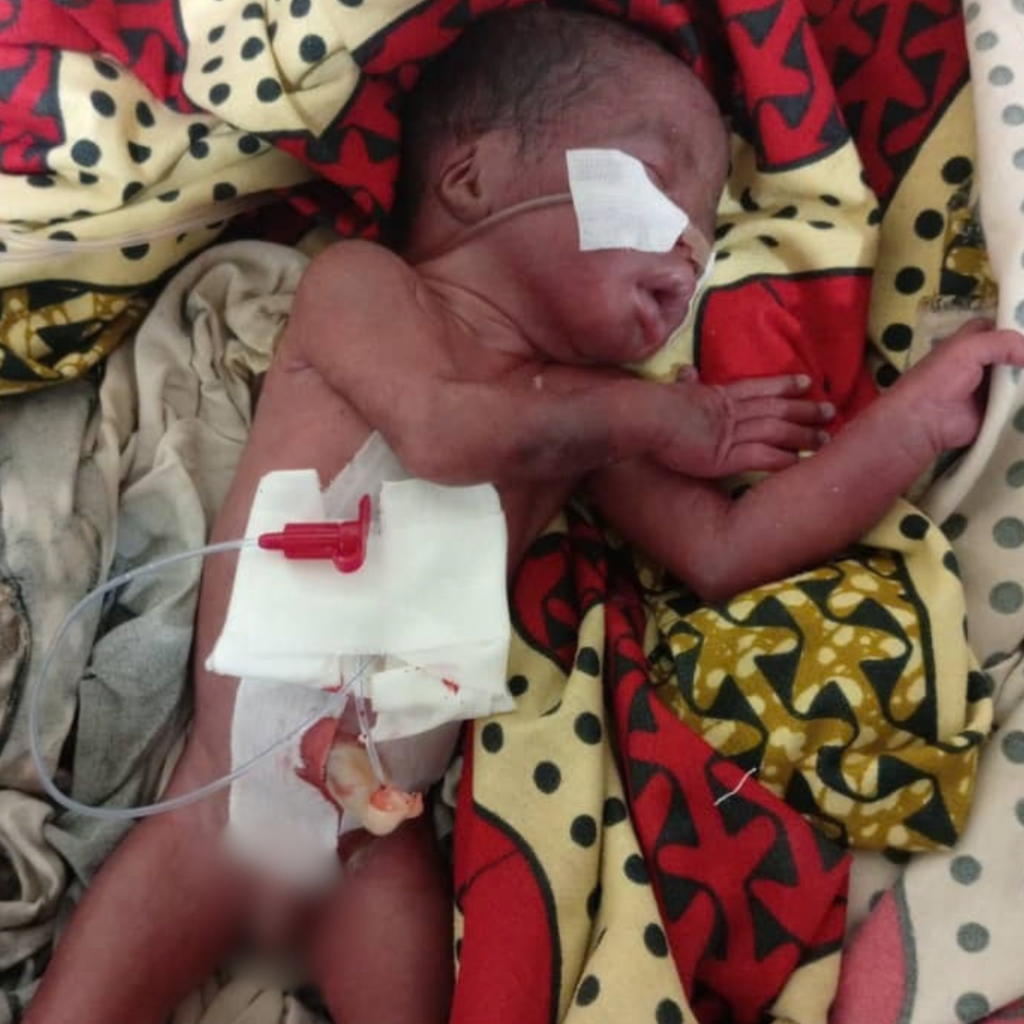
When a 1.3-kilogram premature baby arrived at Noah’s Place Mission Hospital in Tonj South, Warrap State, South Sudan, Clinical Officer Marco Maluth Kedit faced a situation that could easily have required transferring the baby to another facility.
Noah’s Place is currently a Primary Health Care Unit (PHCU) providing Basic Emergency Obstetric and Newborn Care (BEmONC), but the team is working to develop the facility into a hospital and expand the care it can provide to the community.
The baby had been born prematurely at the roadside and developed hypothermia. The infant was also at increased risk of infection, and the clinical team was unable to establish IV access. Without reliable vascular access, providing the fluids and medications the baby needed would be difficult.
Before attending Tiny Feet Big Steps (TFBS), Marco said the team would have had little choice but to refer the baby to another, more distant facility.
This time, there was another option.
“I was very excited because I have saved life with the skills I learned.”
Turning training into action
At TFBS, Marco had learned how to place an umbilical venous catheter (UVC), a procedure that can provide reliable vascular access for critically ill newborns when peripheral IV access is difficult or impossible. But learning the procedure in a classroom was only part of the experience.
“Observation and practice during the training gave me the confidence.”
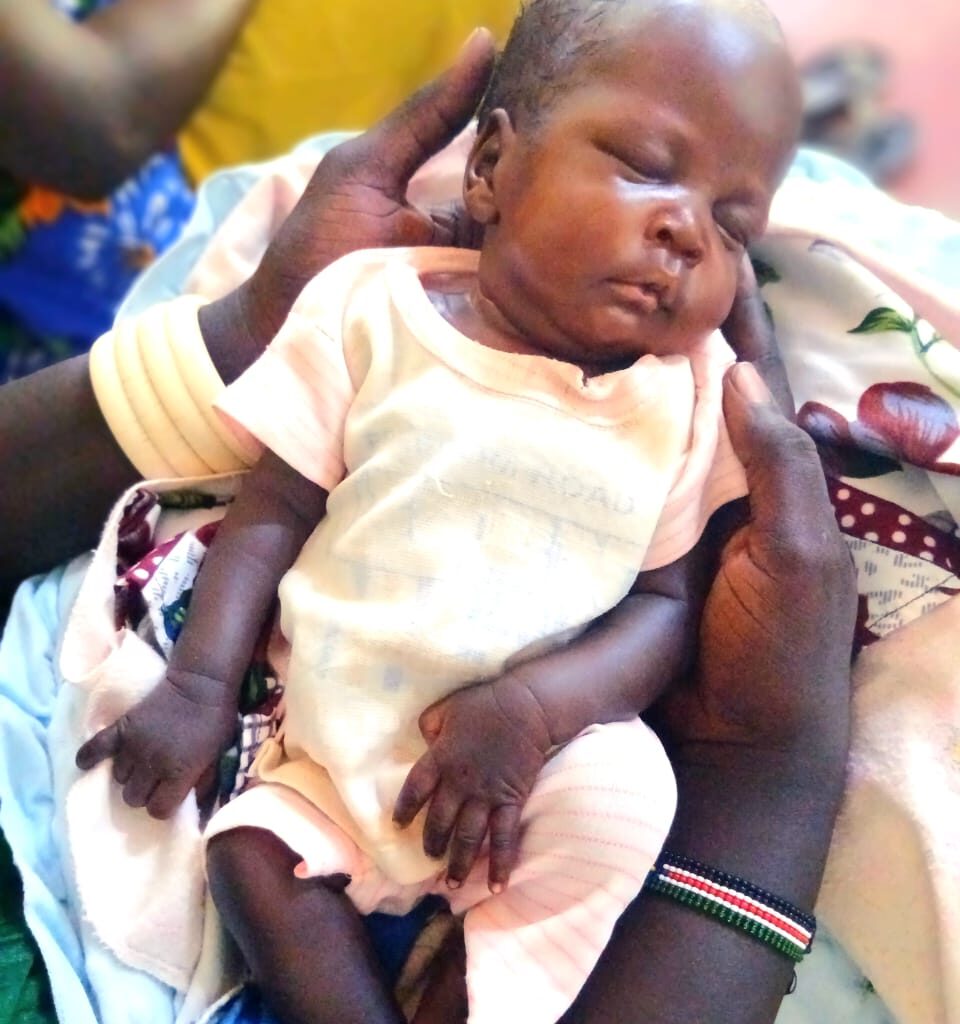
When the baby needed urgent intervention, Marco was able to put that training into practice. The UVC was successfully placed, allowing the team to administer IV fluids and medications without transferring the baby to another facility. There were no complications, and the baby remained well throughout treatment. For Marco, the experience was deeply personal.
Skills that travel home
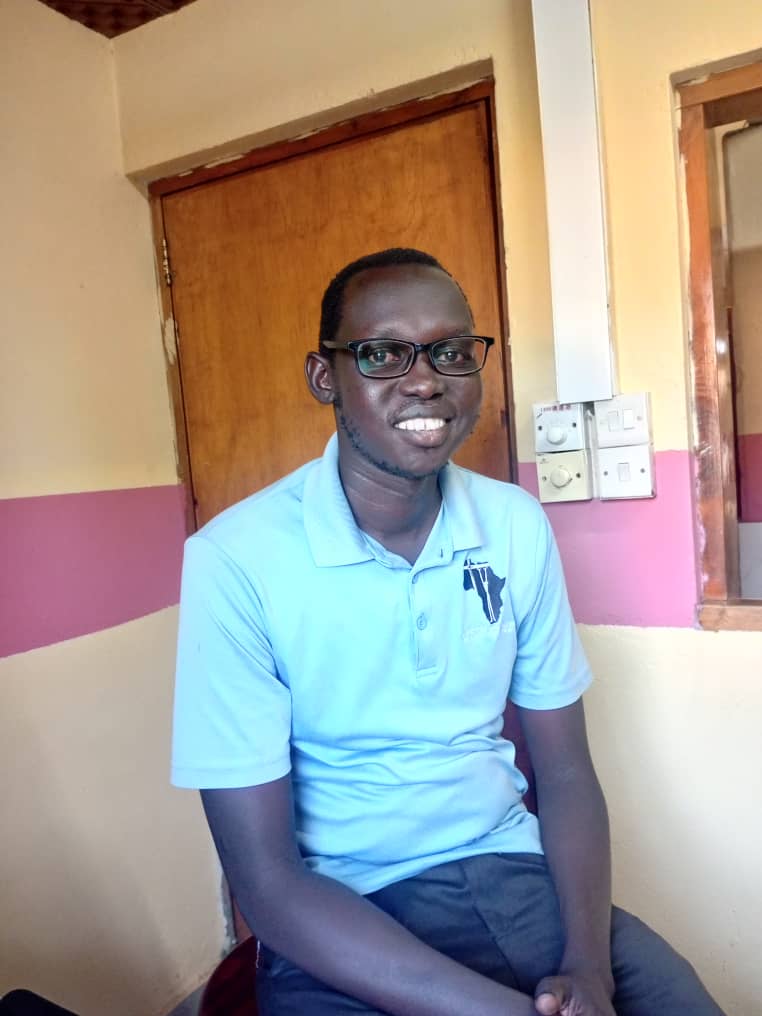
The impact of TFBS does not end when clinicians leave the conference.Since returning home, Marco has brought other skills and practices learned at TFBS back to his colleagues, including:
- SALSA — a practical approach to surfactant administration
- Neonatal resuscitation
- Expressed breast milk (EBM) fortification
- Kangaroo Mother Care (KMC)
These skills give the team additional tools to care for vulnerable newborns locally—particularly important as Noah’s Place Mission Hospital works toward expanding its capacity to serve families in Tonj South. The UVC experience demonstrated what can happen when clinicians have both the knowledge and hands-on confidence to respond when a baby urgently needs care.
More than a conference
Marco’s experience captures an important part of what makes Tiny Feet Big Steps different.
TFBS is designed around practical, hands-on learning. Physicians and nurses don’t simply listen to lectures. They observe procedures, practice skills, work through clinical situations, and learn how to apply those skills when they return to their own hospitals and communities.
For Marco, that preparation became real when a premature baby urgently needed vascular access.
“It was an honor. I thank those who organized such a conference. TFBS is not just a conference. It is a skill lab. You can learn more and save life.”
A Partnership Making a Difference
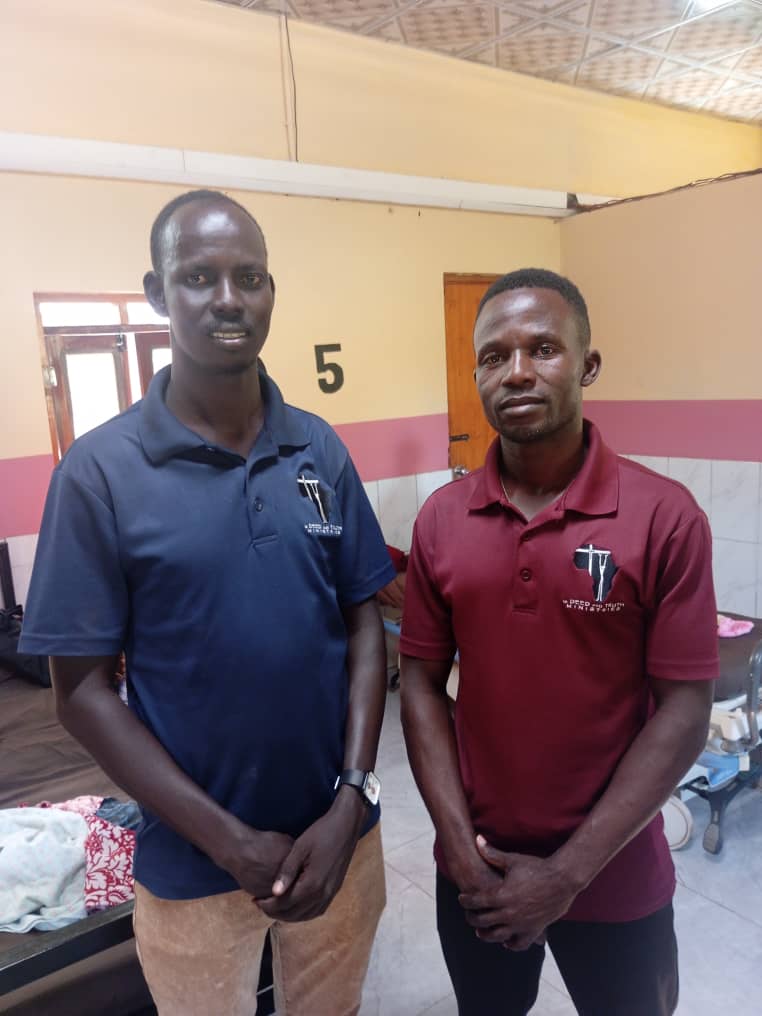
We are grateful to African Mission Healthcare for sponsoring several members of the Noah’s Place Mission Hospital team from South Sudan to attend Tiny Feet Big Steps. Their support is helping bring practical, lifesaving neonatal skills to clinicians serving families in communities where access to specialized care can be limited. Through partnerships like this, training continues to move from the conference room to the bedside—and ultimately, to more healthy beginnings for Africa’s smallest patients.