
Health Care Workers Launch “Operation Cover Babies”
Turning Inspiration Into Action for Preemies
Sometimes the impact of a conference is best measured not by what participants learn, but by what they are inspired to do when they return home.
That is exactly what is happening following the Tiny Feet Big Steps (TFBS) Nairobi 2026 conference.
Dr. Elizabeth Gathoni Kibaru, Faculty of Health Sciences, Department of Paediatric and Child Health at Egerton University, returned from the November 2026 Tiny Feet, Big Steps African Neonatology Conference in Nairobi motivated to turn an important understanding she already had into meaningful action. Her initiative, “Operation Cover Babies,” is bringing healthcare workers and medical students together to provide handmade crocheted hats and other knitted items for premature babies.
For babies born prematurely, maintaining a stable body temperature, or thermoregulation, is a critical part of their care. Preterm babies have difficulty regulating their own body temperature and can lose heat quickly. Preventing heat loss and maintaining warmth are essential to reducing the risk of hypothermia and supporting their health and survival. Appropriately sized hats can help reduce heat loss and play a supporting role in keeping these tiny patients warm.
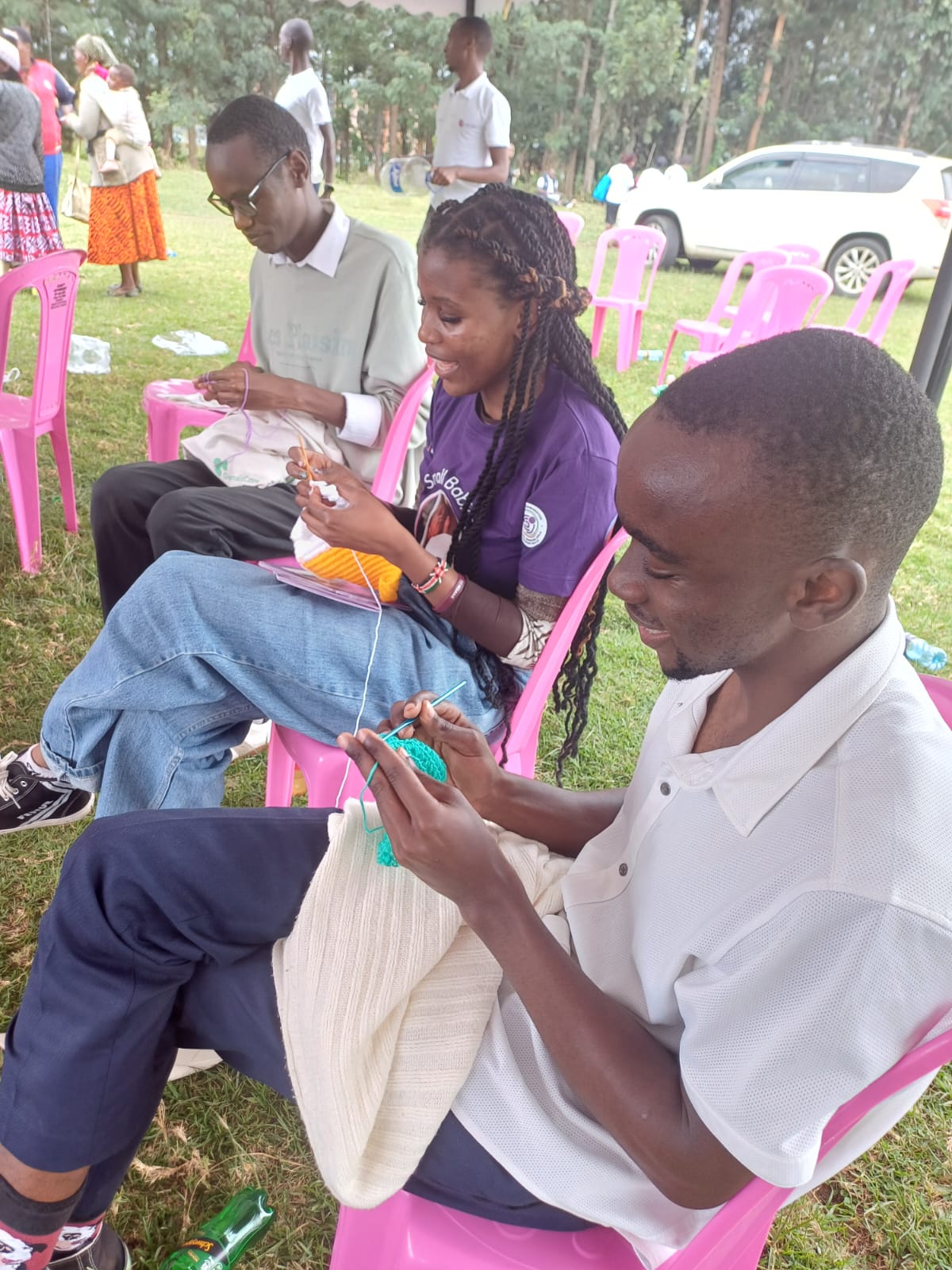
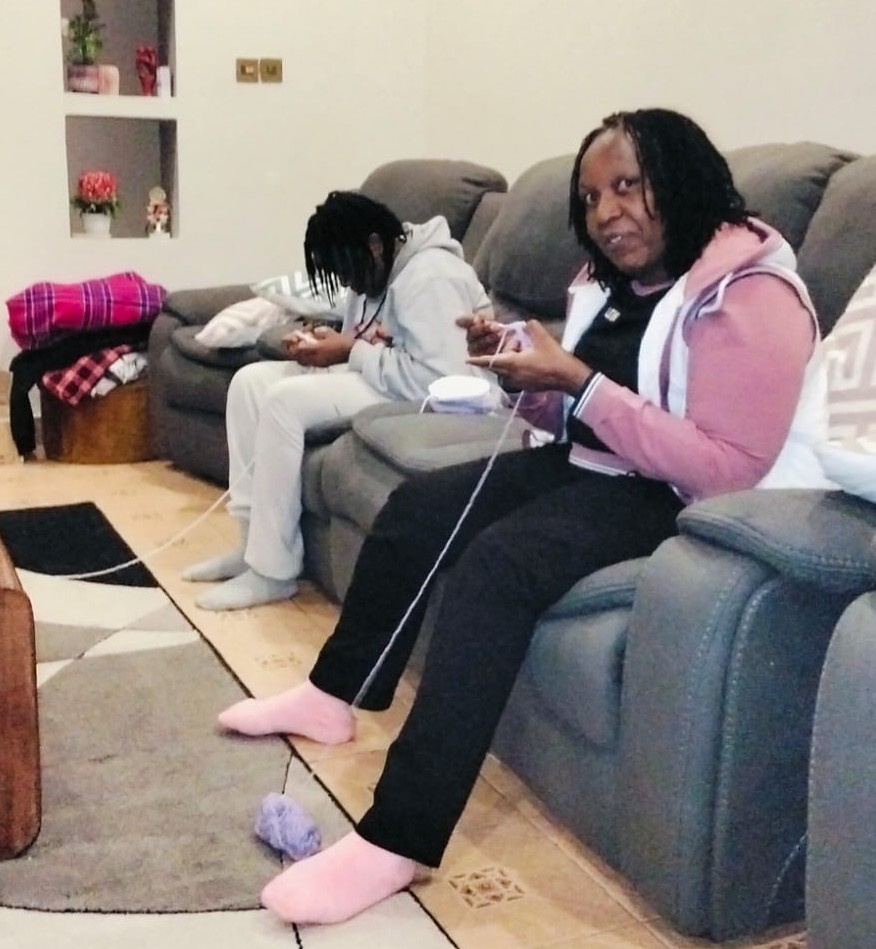
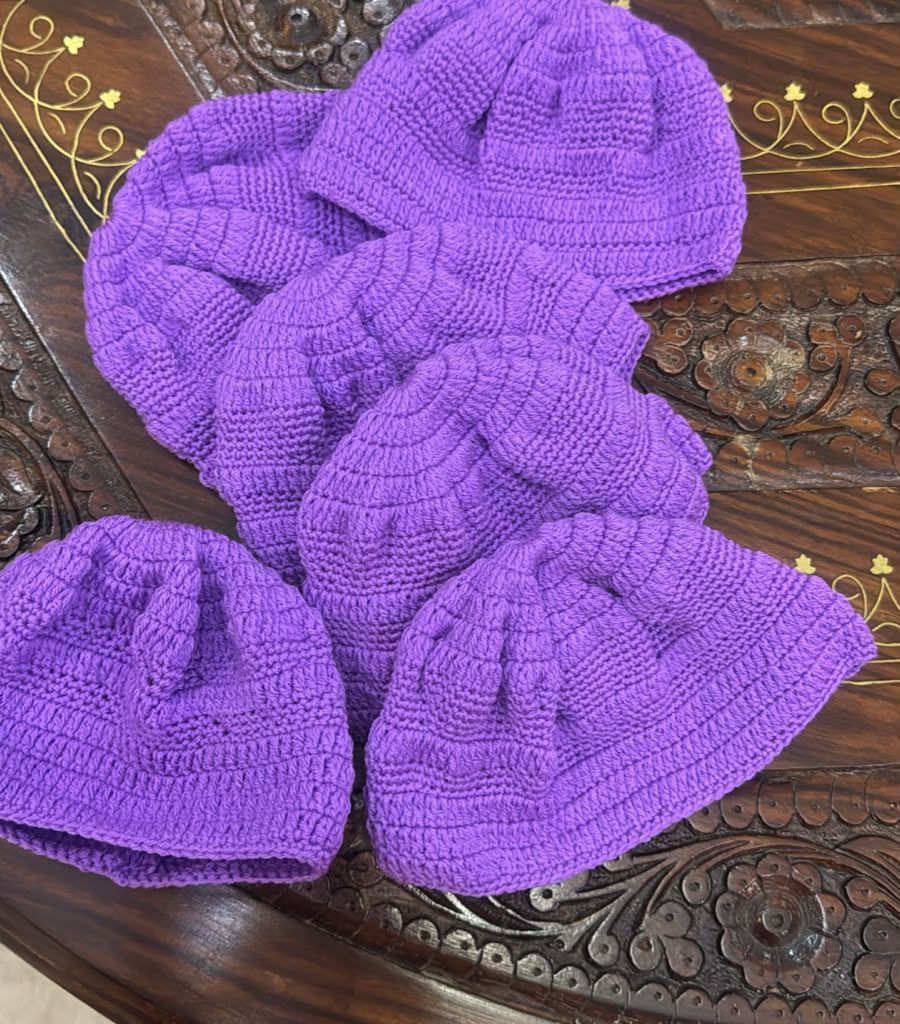
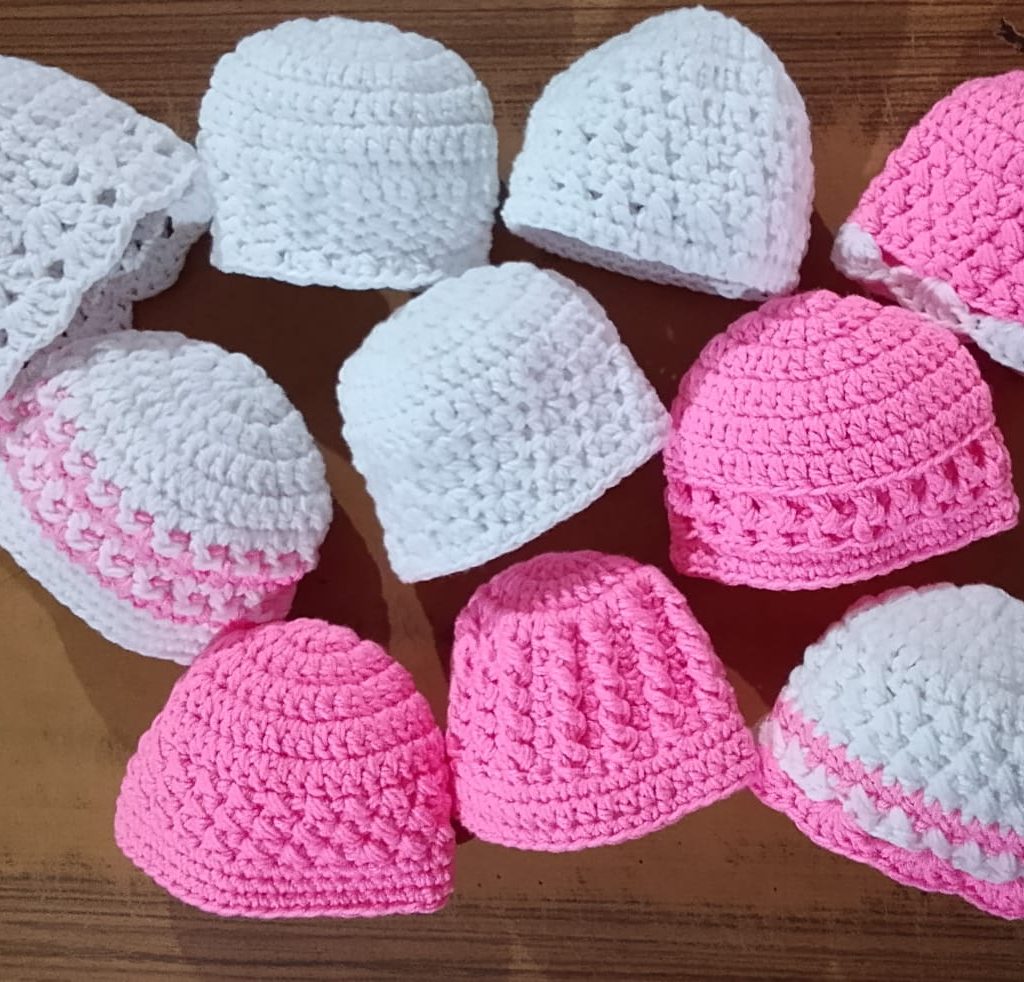
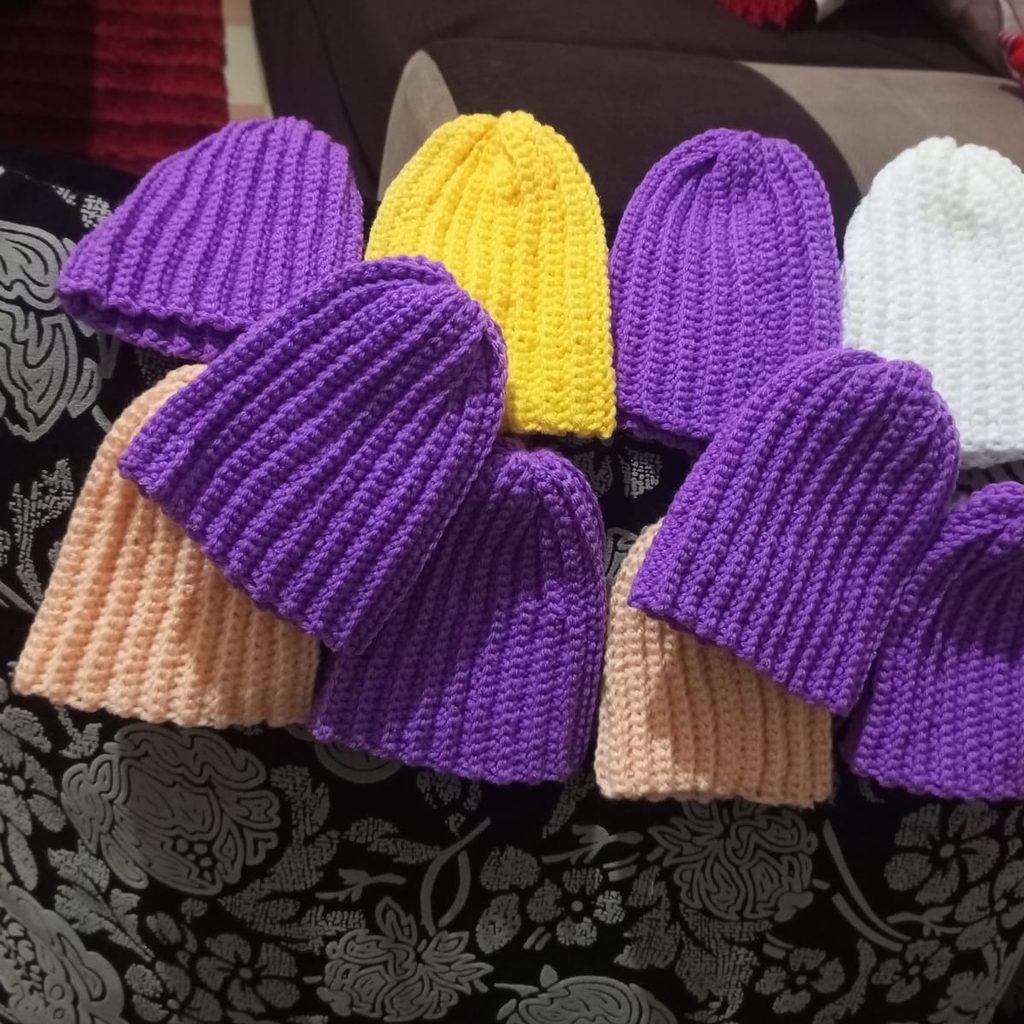
Dr. Kibaru brought the project to life by first making just five tiny hats herself. What began as a personal effort quickly grew into a collaborative initiative, inspiring healthcare workers and medical students from Egerton University and the Kenya Medical Training College (KMTC) to join her. Together, they have turned five handmade hats into a growing effort, with more than 100 hats now completed and a shared commitment to helping keep premature babies warm.
The results are already impressive:
- 22,700 Kenyan Shillings (approx$175 USD) raised to purchase yarn.
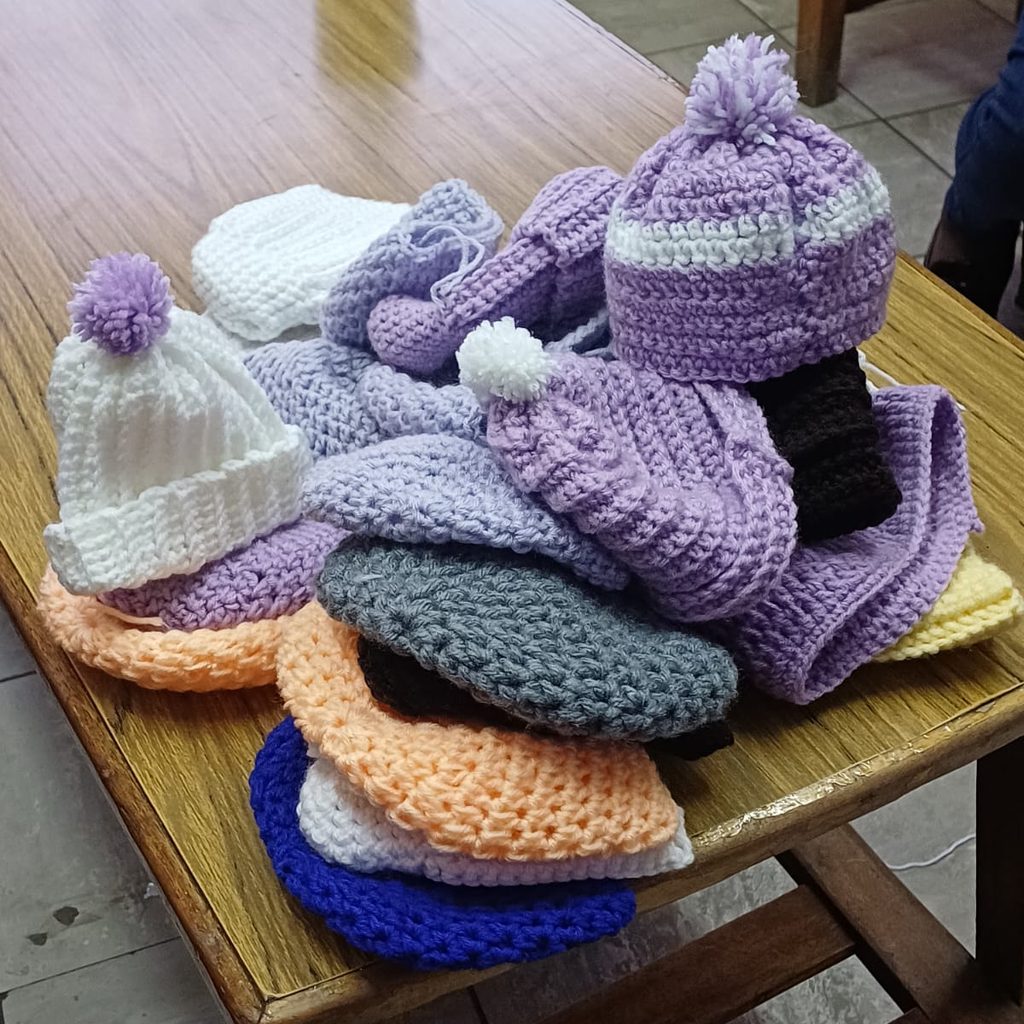
- More than 100 handmade hats produced.
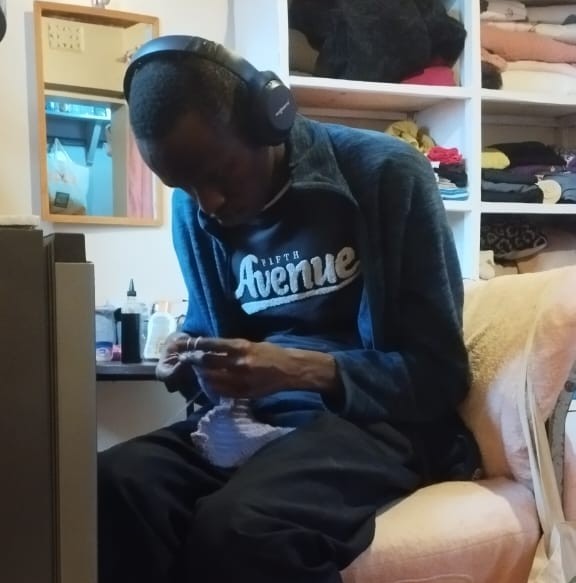
- Healthcare workers and medical students actively participating in the effort.
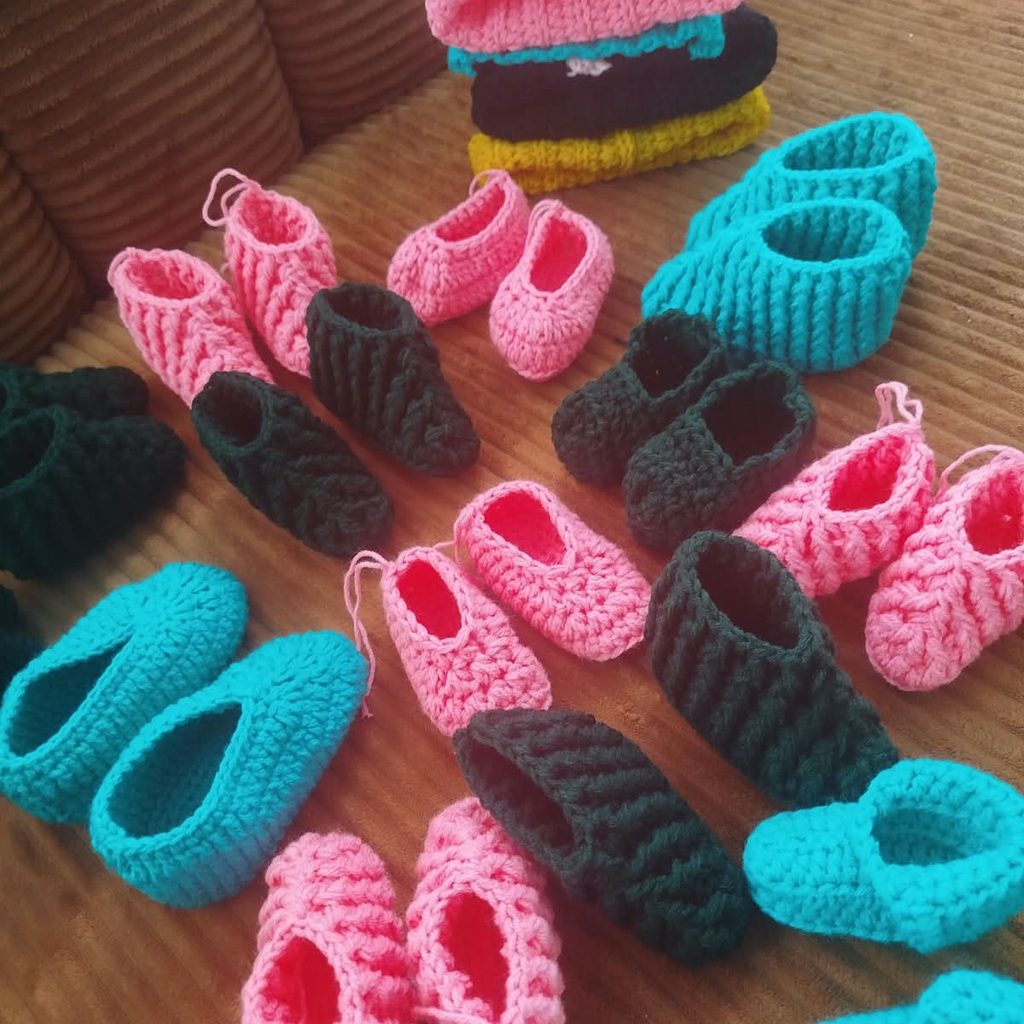
The photos tell a wonderful story of collaboration, creativity, and commitment. Medical students, including sixth-year students, can be seen learning and practicing their crocheting skills, while piles of colorful handmade hats and tiny booties demonstrate what their collective efforts have accomplished.
It is a beautiful example of the spirit behind Tiny Feet Big Steps: bringing people together, sharing knowledge, building capacity, and inspiring action that continues long after the conference ends.
The learning doesn’t stop when the conference is over. Sometimes, the conference simply provides the inspiration and momentum to act on what we already know.
And in this case, that action involves a little yarn, a crochet hook, and more than 100 tiny hats made with care.
This is what turning inspiration into action looks like!